What makes a good change consultant is not simply knowledge of a methodology. It is how that knowledge is brought into the organisation. In my experience, two qualities make an immediate difference: humility and partnership.
A consultant is invited into an environment that already has its own history, expertise, relationships and pressures. Arriving with a predetermined answer may look decisive, but it often prevents the consultant from understanding what the client and its people actually need.
We need to be humble, we need to listen, and we need to understand what the client is actually going through and what they need.
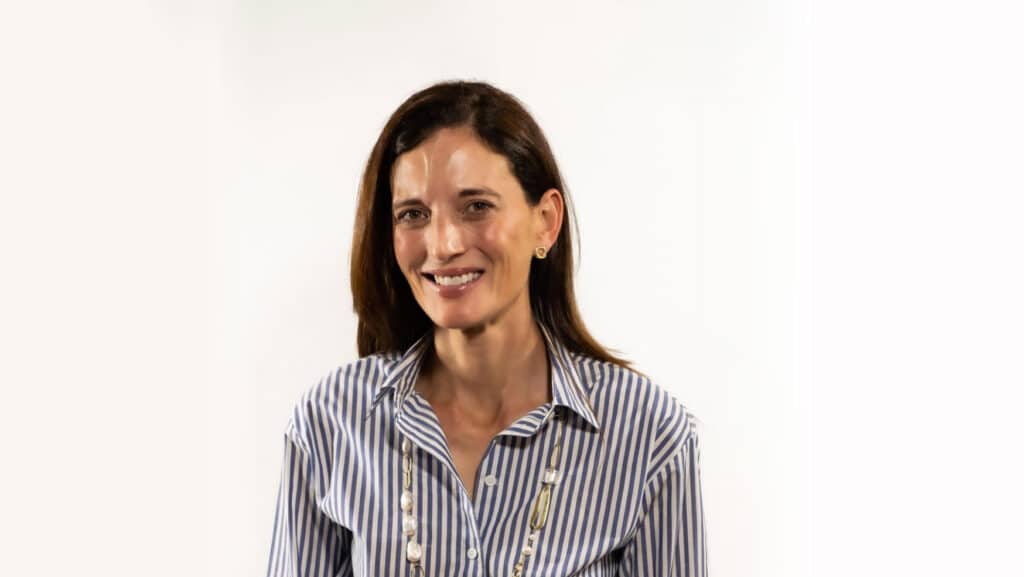
Caroline Potter
Humility starts with listening
Humility does not mean withholding expertise or avoiding difficult advice. It means recognising that the business knows its own environment and that a useful solution must be built from that reality.
I have seen consultants bulldoze a process without listening or showing empathy. Even when the technical recommendation is sound, the way it is introduced can make people defensive and less willing to engage. A consultant should make people feel that they can rely on the work, not that their own knowledge is being dismissed.
Partnership turns advice into something workable
Change management is multidisciplinary. I may lead the change approach, but I cannot and should not try to perform every role in the programme. The quality of the outcome depends on creating genuine partnerships with the people who hold the necessary expertise and organisational trust.
That is why I deliberately build what I call a circle of genius.
Who belongs in a circle of genius?
The exact group will depend on the programme, but it often includes HR business partners, communication and public relations specialists, employee relations experts, line managers and executive sponsors. Each sees risks and practical implications that another discipline may miss.
- HR business partners understand the people policies, structures and employee context surrounding the change.
- Communication specialists help translate a complex programme into messages people can understand and act on.
- Employee relations experts guide the team through sensitive situations and formal obligations.
- Line managers bring day-to-day knowledge and often become the most important connection between the programme and employees.
- Executive sponsors provide visible ownership and the authority needed to remove obstacles.
Some of the most formidable people I have worked with have come from these fields. They have brought professionalism to difficult situations, challenged assumptions and guided the programme towards a better decision.
A good consultant makes the team stronger
The consultant’s role is not to make other specialists feel threatened or to claim ownership of every answer. It is to create the conditions in which the right expertise can be used. That requires clear responsibilities, honest discussion and enough trust for people to raise concerns early.
The strongest change programmes I have seen are not carried by one impressive individual. They are carried by a well-formed group whose members understand their contribution and can rely on one another. Humility is what allows that group to form. Partnership is what allows it to work.